Leona Helmsley
She left two grandchildren nothing and a Maltese named Trouble twelve million dollars. A Manhattan judge cut the dog to $2M and gave the grandchildren $6M. Then Trouble retired to a hotel in Sarasota with a security detail.
Leona Helmsley died on August 20, 2007, at 87, having spent two decades as the most efficiently disliked woman in New York. She had run a hotel empire, served 18 months in federal prison for tax evasion, and left behind the sentence that followed her to the grave: a housekeeper's trial testimony that Helmsley had said only the little people pay taxes.
Her will was consistent with the brand. Two of her four grandchildren received nothing — "for reasons which are known to them," a phrase that has kept estate lawyers entertained ever since. Her brother got $10 million and the job of caring for the dog. And the dog got $12 million in trust.
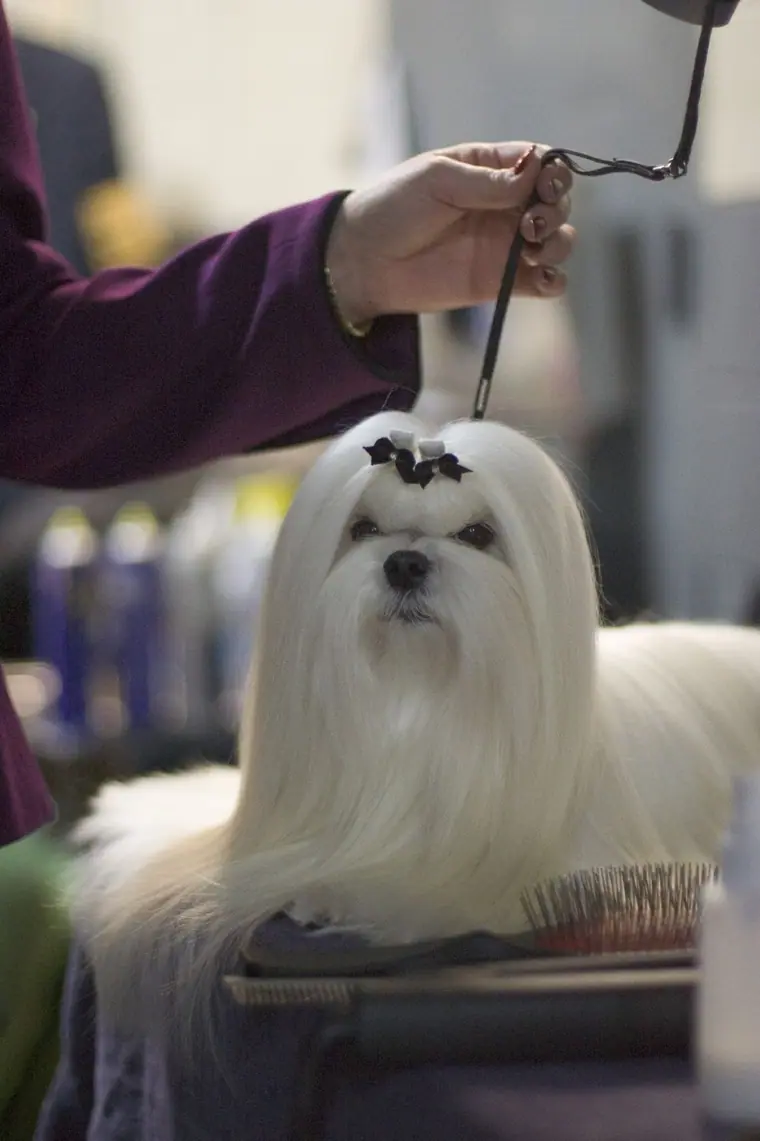
The dog's name was Trouble. She was a white Maltese, about eight years old, and she had bitten a housekeeper.
$100,000 a year for security
The two disinherited grandchildren challenged the will. In June 2008, Manhattan Surrogate Judge Renee Roth issued a ruling that has been cited in pet-trust litigation ever since: she cut Trouble's trust from $12 million to $2 million, redirected the other $10 million to the Helmsley charitable trust, and awarded the two disinherited grandchildren $6 million between them.
The $2 million was not arbitrary. The caretaker submitted an affidavit itemizing what it actually costs to keep this particular dog alive, and the budget is the most quoted document in the file:
- $100,000 a year — full-time security. Trouble had received kidnapping and death threats after the will became public. This is not a joke; it is a line item.
- $60,000 a year — guardian's fee.
- $8,000 a year — grooming.
- $1,200 a year — food. She was a very small dog.
- Plus veterinary care, which for a Maltese in her ninth year is not nothing.
Roughly $2 million, prudently invested, funds that budget for the rest of a Maltese's natural life. Twelve million does not fund it six times better. It funds a windfall for whoever inherits the remainder, which is precisely what a court is there to notice.
The dog moved to Florida
Here is the part almost nobody knows, and it happens about four miles from our office.
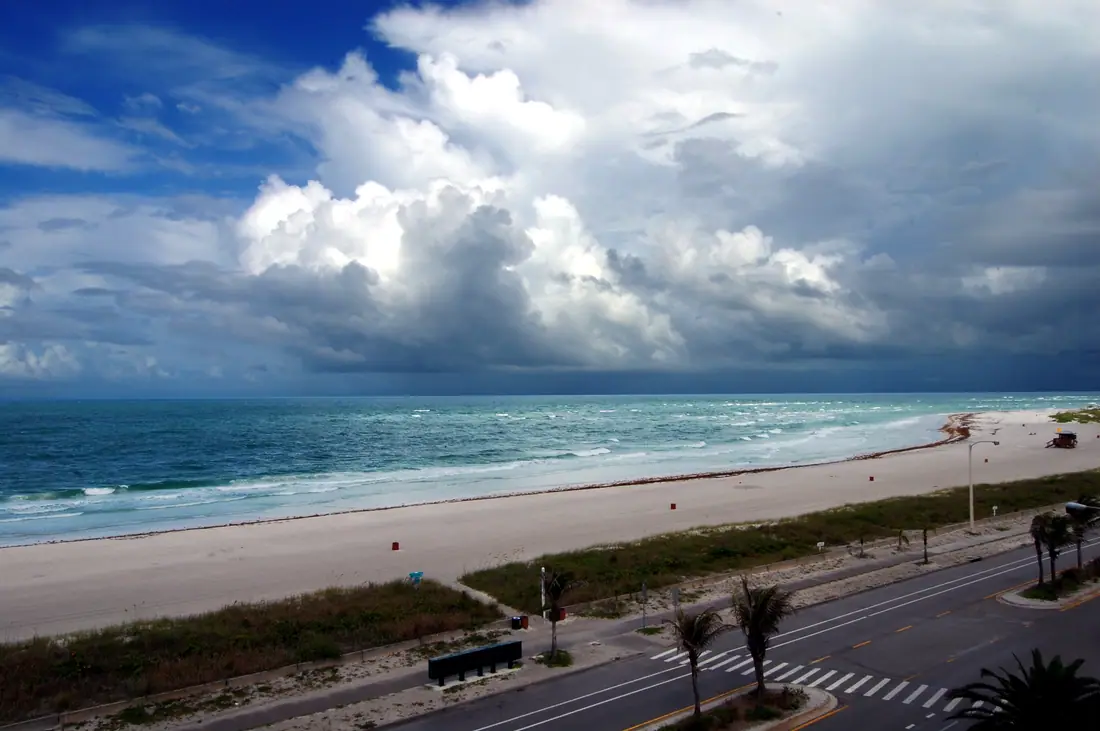
After the ruling, Trouble was relocated to Sarasota, Florida, and lived out her retirement at the Helmsley Sandcastle Hotel on Lido Key, in the care of the hotel's general manager, Carl Lekic. He ran her on roughly $100,000 a year — the grooming, the food, his own salary, and a full-time security guard, because the threats did not stop when the money did.
Trouble died in December 2010, at about twelve. Her death was not announced until June 2011. She was cremated. Her ashes were not placed in the Helmsley mausoleum in Westchester, because the cemetery would not permit it — a final, very Helmsley detail: even in death, the paperwork said no.
The Sandcastle itself has since been demolished. The richest dog in the world retired to a beachfront hotel in our county, and the hotel is gone, and the dog is gone, and the case is still on every estate-planning syllabus in America.
Billions, and a mission statement nobody had to follow
The dog was the headline. The real money was the Leona M. and Harry B. Helmsley Charitable Trust, funded with billions. Helmsley left a signed mission statement directing that the charitable funds go to the care and welfare of dogs.
In 2009, a New York court held that the trustees were not bound by that mission statement and could direct the money as they saw fit. The Helmsley Charitable Trust today funds health, medical research, and conservation programs, and gives a fraction to animal welfare.
That is the quieter lesson, and it is worth more than the dog story: a wish is not a direction, and a direction is not a binding term. If you want a trustee to be required to do something, the trust instrument has to require it, in language a judge can enforce. Anything softer is a suggestion — and suggestions get overruled by people who never met you.
Timeline
- Aug 20, 2007Leona Helmsley dies at 87. Her will leaves $12M in trust for Trouble, a Maltese, and nothing to two of four grandchildren.
- Late 2007The will becomes public. Trouble receives kidnapping and death threats; full-time security is retained.
- Jun 2008Manhattan Surrogate Judge Renee Roth cuts the dog trust to $2M, sends $10M to charity, and awards $6M to the two disinherited grandchildren.
- 2008Trouble relocates to the Helmsley Sandcastle Hotel in Sarasota, Florida, cared for by general manager Carl Lekic on roughly $100,000 a year.
- 2009A New York court holds the trustees of the multibillion-dollar Helmsley Charitable Trust are not bound by Helmsley's mission statement directing funds to dogs.
- Dec 2010Trouble dies in Florida at about 12. The death is not made public until June 2011. She is cremated; the cemetery declines to place her ashes in the Helmsley mausoleum.
What actually went wrong
- A number with no arithmetic behind it. $12M was a gesture, not a budget. Courts reduce gestures. A funded, itemized care plan survives review; a headline figure invites one.
- Disinheritance by insult. "For reasons which are known to them" is a taunt, not a legal shield. It gave the grandchildren a reason to litigate and gave the court a reason to listen.
- A mission statement instead of trust terms. Billions were directed to dogs by a document the trustees turned out not to be bound by.
- No thought about what publicity does to a beneficiary. Making a dog famous produced credible threats against it and turned a $1,200-a-year food budget into a $100,000-a-year security problem.
Would it have gone that way in Florida?
Partly — and Florida is actually better at this than New York was.
Florida has a purpose-built statute for exactly this. Fla. Stat. §736.0408 authorizes a trust for the care of an animal alive during the settlor's lifetime. It is enforceable — a person named in the trust, or someone the court appoints, can go to court and make the trustee spend the money on the animal. The trust terminates when the last covered animal dies, and the remainder passes as the settlor directed.
So the structure Helmsley wanted is fully available here, and it works better here: Florida's statute expressly contemplates a court-appointed enforcer, which is the mechanism that stops a trustee from quietly pocketing a pet fund.
But §736.0408(3) also carries the same brake New York applied: if the court determines the amount substantially exceeds what is required for the intended use, the excess passes to the remainder beneficiaries. A Florida judge presented with $12 million for one Maltese would reach the same place Surrogate Roth did, and would get there by statute rather than by equity.
One more Florida difference that matters to the grandchildren's side of the case. If Helmsley's will had contained a no-contest clause — and many do — Florida would have ignored it. §732.517 makes a penalty clause against a will contest unenforceable, and §736.1108 does the same for trusts. In Florida you may challenge and keep your inheritance if you lose. In many states, you may not.
The practical version, for anyone in Sarasota with a dog and a plan: name a caretaker, name a successor caretaker, name a separate enforcer, fund the trust with a real number built from a real budget, and say in writing where the remainder goes. That costs a few hundred dollars and it does not end up in front of a judge.
What people ask us about this.
Can I leave money to my pet in Florida?+−
How much should a pet trust hold?+−
What happens to money left over when the pet dies?+−
Can I disinherit a grandchild in Florida?+−
Further reading
Third-party sites. Not ours, not endorsed, not kept current by us — just the places worth going next.
Sources
- Helmsley's well-heeled dog loses $10 million — NBC News / AP, Jun 2008
- Helmsley leaves her dog $12 million in trust — NBC News / AP, Aug 2007
- Trouble, Leona Helmsley's millionaire heir dog, dies — CBS News, Jun 2011
- Trouble Helmsley, millionaire heiress dog, dies at 12 — Gothamist, Jun 2011
- Sarasota hotel, one owned by a dog, demolished — FOX 13 Tampa Bay
- Going to the dogs? Leona Helmsley's dog Trouble has her trust slashed — FindLaw legal commentary
- Fla. Stat. §736.0408 — Trust for care of an animal — The Florida Senate
If this is your situation
Intake reopens late October 2026. The archive stays free.
Nearly every case in this archive turned on something ordinary — an unwitnessed page, a stale beneficiary line, a document nobody could find. Those are cheap to fix while you're alive and expensive to fix afterward.