The Wendel sisters
The Wendels owned more than 150 Manhattan buildings and lived in a Fifth Avenue mansion with gas lamps, no telephone, and no electricity. When the last sister died in 1931 leaving roughly $100 million to charity, more than 2,300 people came forward claiming to be family.
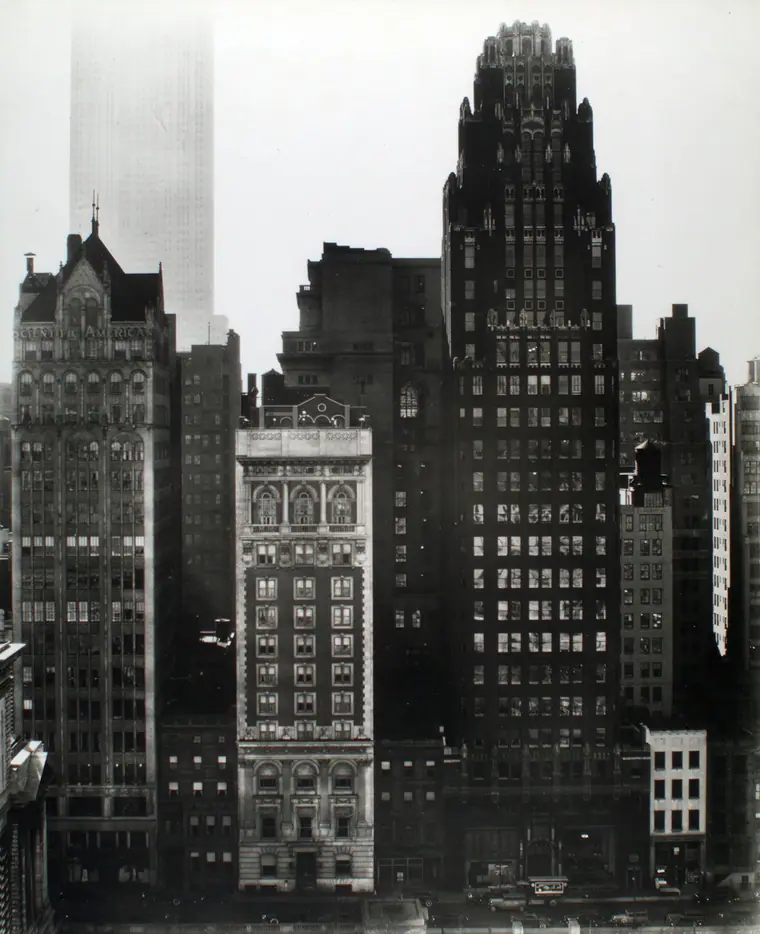
The Wendel fortune was built on a single idea, applied for eighty years without deviation: buy Manhattan land, and never sell it. No mortgages. No sales. Minimal repairs. The family bet that the premium end of the city would keep moving north, and it did, and they held more than 150 Manhattan properties by the twentieth century.
John D. Wendel died in 1876 leaving the estate to his widow Mary and six surviving children. Mary died in March 1894, and the bulk of what was then a $10 million estate went to her son, John Gottlieb Wendel II. When he died in November 1914, the estate was valued at $55 million.
He had also, in the way of nineteenth-century patriarchs with a plan, discouraged his sisters from marrying, on the theory that husbands would break the estate apart. Six unmarried sisters lived with him in the family house.
Ella, and the dog
The sisters died one by one. When Rebecca died on July 20, 1930, her entire estate went to Ella Virginia von E. Wendel, then 79 — the sole survivor and the end of the line.
Ella lived alone in the house with a French poodle named Toby. There had been a succession of Tobys; the name was inherited along with everything else, and the newspapers found it funny. The family had refused lucrative offers for the vacant lot beside the mansion — a plot of open ground on Fifth Avenue in the 1920s, worth an extraordinary sum — and one of the stated reasons was that it was the only place the dog could run.
Ella Wendel died on March 13, 1931, aged 80. The estate was reported at more than $100 million. She left no direct heirs.
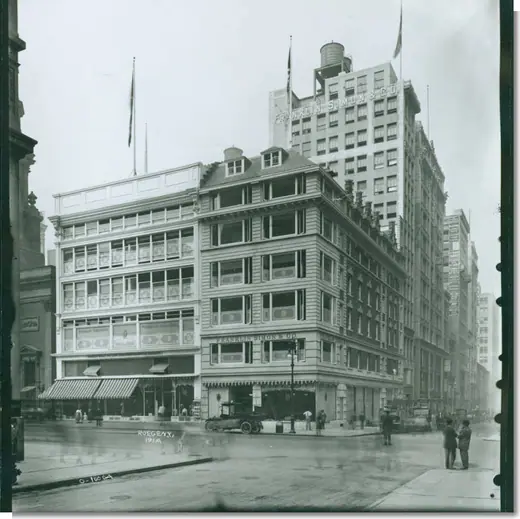
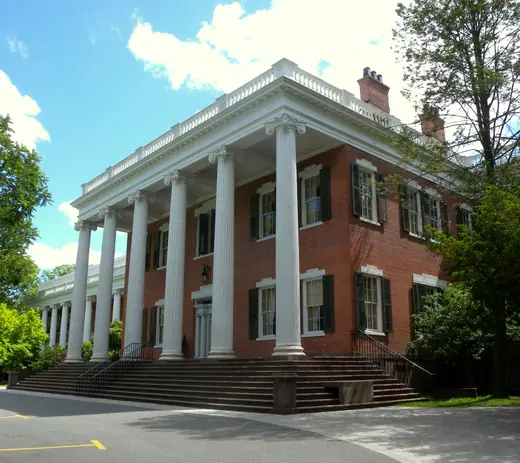
The will left the fortune to charity — five charitable organisations, of which the best known is Drew University in Madison, New Jersey, which took the Fifth Avenue property. The mansion was demolished in 1934. An Art Deco S.H. Kress store went up on the site in 1938, and was itself demolished in the 1980s.
More than two thousand relatives, arriving at once
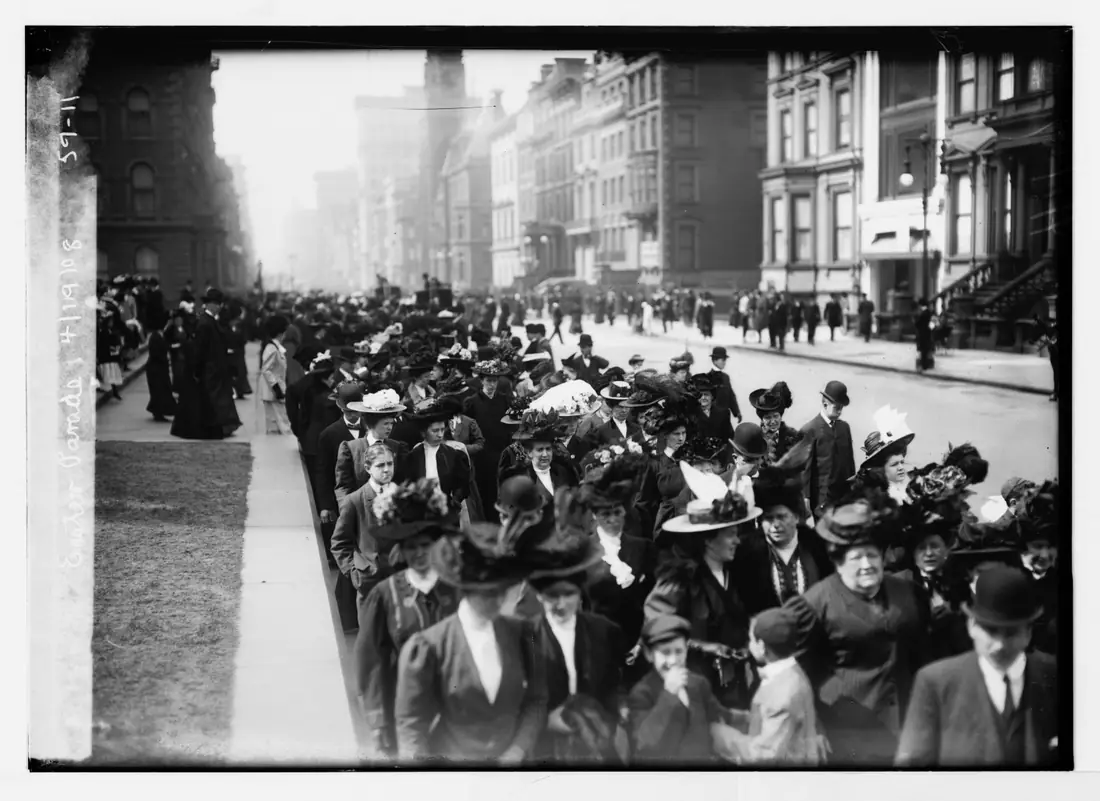
A hundred-million-dollar estate, a decedent with no husband, no children, and no surviving siblings, and a will leaving everything outside the family is a standing invitation. More than 2,300 claims were filed against the Wendel estate, many from people falsely asserting family ties.
The scale is worth sitting with, because it is not a story about one aggrieved cousin. It is a story about an estate becoming a public event, and about what happens when the class of people who might theoretically be related is undefined and the incentive to try is enormous.
The estate held. It took court wrangling, but the fortune went to charity in the end, as the will directed. What the wrangling cost, in years and in fees, came out of the charities' share.
The document was fine. The perimeter was not
Nothing was wrong with Ella Wendel's will. It was valid, it was clear, and it was carried out. The estate's problem was that there was no efficient way to close the door on people who were not entitled to anything.
Two things made that worse. The family had spent eighty years being conspicuously strange — the gas lamps, the mended dresses, the poodle — which meant everyone in New York knew who they were and roughly what they were worth. And the sisters had been kept from marrying, which produced exactly the estate the strategy was designed to protect and exactly the vacuum that draws claimants.
The generational irony is complete. John Gottlieb Wendel II discouraged his sisters from marrying to keep the estate intact. It worked. The estate stayed intact for eighty years, and then, with no descendant left to receive it, went to five charities and a university — and 2,300 strangers tried to take it on the way out.
Timeline
- 1850sThe Wendel mansion is built at 442 Fifth Avenue, at the corner of 39th Street. It is never modernised — no electricity, no telephone, gas lamps.
- 1876John D. Wendel dies, leaving the real estate to his widow Mary and six surviving children.
- Mar 30, 1894Mary Wendel dies. The bulk of the $10 million estate passes to her son John Gottlieb Wendel II, who discourages his sisters from marrying to keep the holdings intact.
- Nov 30, 1914John G. Wendel II dies. The estate is valued at $55 million.
- Jul 20, 1930Rebecca Wendel dies, leaving her entire estate to her sister Ella.
- Mar 13, 1931Ella Virginia von E. Wendel dies at 80, the last of the line. The estate is reported at more than $100 million. Her will leaves it to five charities, including Drew University.
- 1931–1930sMore than 2,300 claims are filed against the estate, many falsely asserting family ties. After extended litigation, the fortune goes to charity as the will directed.
- 1934The Fifth Avenue mansion is demolished.
What actually went wrong
- An estate with no natural claimant and no defined family. Eighty years of preventing marriages produced a decedent with no spouse, no children, and no siblings — and therefore no obvious answer to the question of who her heirs were.
- Extreme public visibility. The gas lamps and the poodle made the Wendels famous. Everyone knew what the estate was worth before the will was filed.
- A charitable residue with nobody to defend it but the charities. Institutions have to litigate through counsel and cannot settle cheaply without inviting the next claim. Every one of the 2,300 filings was paid for out of the gift.
- No mechanism to compress the challenge window. The claims came in over years. Nothing in the process forced everyone with a theory to file by a date and be done.
Would it have gone that way in Florida?
Florida would not stop the claims — but it would give them a three-month clock.
Florida cannot prevent people from claiming to be your relatives. What Florida does, and does well, is impose a deadline.
§733.212 requires the personal representative to serve a notice of administration on the surviving spouse, the beneficiaries, and other specified interested persons — including, where relevant, devisees under a prior will and heirs. Anyone served then has three months from the date of service to file an objection to the validity of the will, to the venue, or to the court's jurisdiction. Objections not filed within that window are forever barred, and in any event no such objection survives past the personal representative's final discharge or one year after service, whichever comes first. The only recognised extension is estoppel arising from a misrepresentation by the personal representative about the filing period itself.
That single statute is the difference between the Wendel proceeding and a modern Florida one. In Florida, the flood arrives inside a quarter, or it does not arrive at all.
Standing is the second filter. A person cannot contest a Florida will simply because they would like to. They must be an interested person — someone whose interest in the estate may be affected — which for a would-be heir means demonstrating that they would actually take if the will were set aside. Under §733.107, once the proponent establishes the will's formal execution and attestation (a self-proving affidavit does this on the papers), the burden is on the contestant to prove the grounds for opposing probate: lack of capacity, or that the will was procured by fraud, duress, mistake, or undue influence and is therefore void under §732.5165.
A warning about the obvious defensive move. A testator leaving everything to charity naturally wants an in-terrorem clause. §732.517 makes no-contest clauses in Florida wills unenforceable, and §736.1108 does the same for trusts. You cannot penalise a challenger by contract here. What you can do is put the residue in a funded revocable trust rather than a will — trust assets are not part of the probate estate, the disposition is not filed in the public record, and a claimant has to work considerably harder to find out what there is and who is getting it.
And Toby. In Florida a dog cannot inherit — animals are property, and property cannot own property. What Ella Wendel would use today is a pet trust under §736.0408: enforceable by a person named in the trust or appointed by the court, terminating on the death of the animal (or the last surviving animal), and with any property exceeding the amount required for the animal's care distributed back to the settlor's estate unless the trust says otherwise. A person with an interest in the animal's welfare can ask the court to appoint or remove an enforcer. It is a genuinely good statute, and it is what stands between a beloved poodle and a court fight.
The instruction, for anyone leaving a large estate outside the family: serve the notice of administration promptly and on everyone arguably entitled to it. The three-month bar under §733.212 only runs against people who were served. Serving a marginal relative early is how you close the door on them permanently; leaving them off the list is how you keep it open for a year.
What people ask us about this.

Further reading
Third-party sites. Not ours, not endorsed, not kept current by us — just the places worth going next.
Sources
- Wendel family — Wikipedia
- The lost John D. Wendel mansion — 442-444 Fifth Avenue — Daytonian in Manhattan, February 2019
- Fla. Stat. §733.212 — Notice of administration; filing of objections — The Florida Senate
- Fla. Stat. §733.107 — Burden of proof in contests — The Florida Senate
- Fla. Stat. §732.517 — Penalty clause for contest — The Florida Senate
- Fla. Stat. §736.0408 — Trust for care of an animal — The Florida Senate
If this is your situation
Free 30-minute consult. Plain English. No pressure.
Nearly every case in this archive turned on something ordinary — an unwitnessed page, a stale beneficiary line, a document nobody could find. Those are cheap to fix while you're alive and expensive to fix afterward.