The unclaimed body
Florida has a written answer for what happens when a person dies and no one claims them. It runs through a hierarchy that ends with the words “or a friend or other person,” a medical examiner, an anatomical board, and — if all of that fails — a county commission.
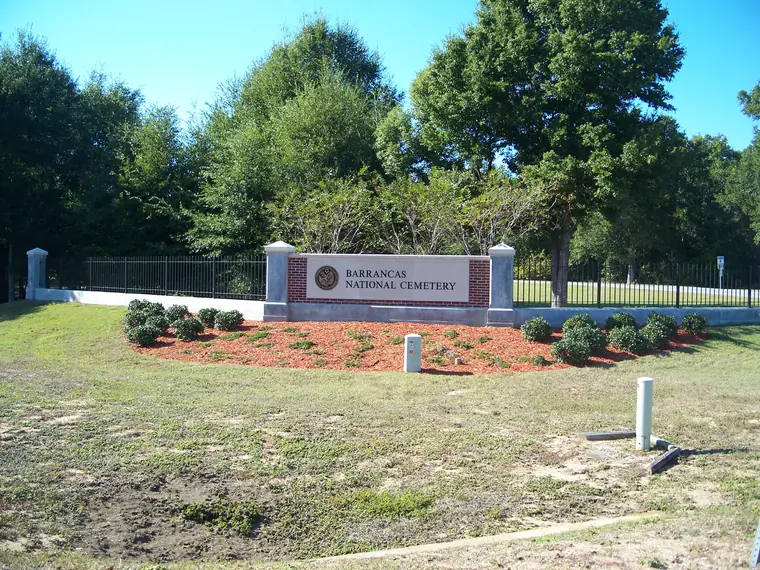
“Unclaimed” is doing a great deal of work in that phrase, and it usually does not mean what people assume. It rarely means nobody knew the person. More often it means the people who knew them could not be found in time, could not afford what was asked, or were not on speaking terms — and the statutory machinery has to run regardless.
Florida's answer starts with the question of who is entitled to decide, and the answer is a list. Fla. Stat. §497.005 defines the legally authorized person for disposition of remains, in priority order: the decedent, where they left written inter vivos authorisations and directions; then, for a military service death, the person designated on the decedent's DD Form 93; then the surviving spouse; an adult son or daughter; a parent; an adult brother or sister; an adult grandchild; a grandparent; and then any person in the next degree of kinship.
Then, when none of those exist or none is available, the statute keeps going — and the fallback list is the most quietly humane sentence in Florida's funeral law. It reaches the guardian at the time of death; the personal representative; the attorney in fact; the health care surrogate; a public health officer; the medical examiner, county commission, or administrator acting under Part II of Chapter 406, or another public administrator; a representative of the nursing home or other health care institution in charge of final disposition; or a friend or other person.
“Or a friend or other person.” Florida wrote a statute that ends by allowing someone who simply cared to step forward. That clause is the reason a great many Floridians are buried by a neighbour rather than by a county.
The medical examiner comes first, and can stop everything
Before disposition is anybody's decision, jurisdiction has to be resolved. Chapter 406, Part I creates Florida's district medical examiner system, and §406.11 puts a defined set of deaths inside it — deaths by criminal violence, by accident, by suicide, sudden deaths, unattended deaths, deaths in custody, deaths under suspicious circumstances, deaths by poison, employment-related deaths, and deaths presenting a threat to public health.
§406.12 makes it a duty. A person who becomes aware of a death in one of those categories must report it immediately to the district medical examiner or to a law enforcement agency, and failure to do so is a first-degree misdemeanour. §406.13 requires the examiner to report findings to the state attorney and to maintain records.
Where an unidentified body is involved, §406.145 adds a second track. The medical examiner must immediately report receipt of the body to the appropriate law enforcement agency, or ask the county sheriff to identify which agency has jurisdiction. The assigned officer has a duty to immediately establish the identity of the body, and where that does not happen promptly, the responsible agency must enter the data through the Florida Crime Information Center into the Unidentified Person File of the National Crime Information Center.
This is why timelines in real cases stretch. Nothing about disposition moves until the examiner's jurisdiction is resolved and the body released — which is also true, and frequently forgotten, in time-sensitive arrangements like organ donation and cryopreservation.
The Anatomical Board, and the forty-eight hours
Chapter 406, Part II is titled “Disposition of Human Remains,” and it is where the unclaimed body actually goes.
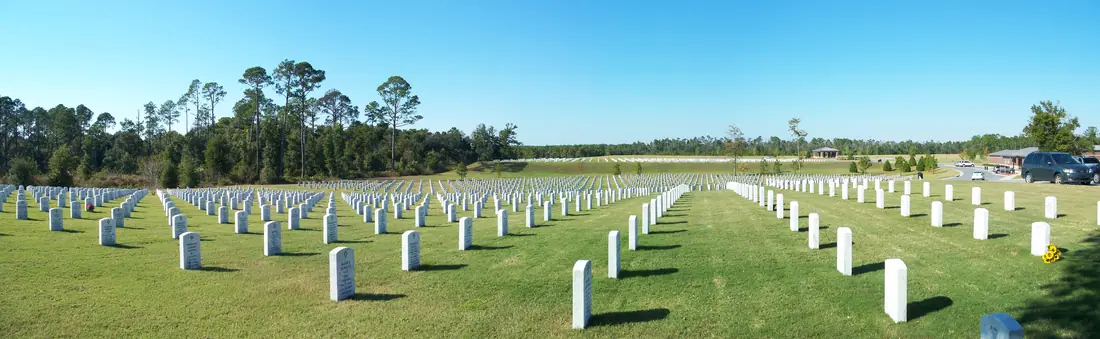
§406.50 requires that a person or entity coming into possession, charge, or control of unclaimed remains immediately notify the anatomical board — unless one of five exceptions applies. It also requires real effort first: the entity must attempt to identify the deceased and locate relatives, and must determine whether the decedent was a veteran eligible for burial in a national cemetery, contacting the National Cemetery Scheduling Office or the Department of Veterans Affairs. §406.51 governs contracts for the final disposition of unclaimed deceased veterans and requires compliance with federal procedures at 38 C.F.R. §38.620.
- The five exceptions to notifying the board: remains that are decomposed or mutilated; remains that have been autopsied; remains carrying a contagious disease; remains where an authorised person has objected; and remains of a veteran eligible for national cemetery burial.
- Delivery is prompt. Unclaimed remains are to be delivered to the anatomical board as soon as possible after death; a licensed funeral director may embalm after 24 hours where no family exists.
- Forty-eight hours, minimum. Under §406.52, the anatomical board must keep all human remains it receives in storage for at least 48 hours before allowing any use for medical education or research.
- The claim right stays open. Also under §406.52: “At any time before their use for medical education or research, human remains delivered to the anatomical board may be claimed by a legally authorized person.” The relative who arrives late is not automatically too late.
- If the board declines, a board of county commissioners may authorise and arrange the burial or cremation of the entire remains. That is the county's obligation, and it is the end of the line.
One prohibition in §406.50 deserves its own sentence, because it is a rule about identity rather than about logistics: the remains of a deceased person whose identity is not known may not be cremated, donated as an anatomical gift, buried at sea, or removed from the state. Cremation destroys the evidence that identification later depends on. Florida forbids it while the question is still open.
The rest of Part II fills in the frame. §406.53 exempts certain indigent remains from the notice requirement. §406.55 prohibits contracts offering payment for the delivery of remains after death. §406.56 governs acceptance of remains under a will and §406.57 their distribution. §406.59 covers institutions receiving them and §406.60 their disposition after use. §406.61 prohibits selling, buying, or conveying human remains outside the state without the board's approval, with an exception for accredited organisations.
Why bodies go unclaimed, and what actually prevents it
The statutory machinery is complete. What it cannot supply is the two facts it needs from outside: who this person is, and who should be told.
The common failure patterns are unglamorous. A person dies in a hospital or facility with a next of kin listed who moved a decade ago. A person dies away from their county of residence and no document travelled with them. A relative is located, and declines — because a funeral is expensive, or because the relationship ended long before the death did. Florida's response to that last case is §406.50's notification chain and, ultimately, the county commission's authority to arrange burial or cremation, so that the answer is never nothing.
Chapter 497 sits over the whole process. It licenses funeral establishments, direct disposers, cremation facilities, and removal services, and it is the chapter that defines the legally authorized person in §497.005. Every hand that touches a body in Florida belongs to a licensee or a public officer, which is the reason the system is traceable at all.
And the fix, for an individual, is two pieces of paper and one conversation: written directions under §497.005, a named health care surrogate who also knows where those directions are, and telling one person outside your household that both exist. The statute will find a way to bury you. It cannot find out what you wanted.
Timeline
- Ch. 406, Part I
- §406.145For unidentified remains, the medical examiner must report immediately to law enforcement, and the responsible agency must enter the data into the NCIC Unidentified Person File through the Florida Crime Information Center.
- Ch. 406, Part II
- §406.50A person or entity in possession of unclaimed remains must immediately notify the anatomical board, subject to five exceptions, after attempting to identify the decedent, locate relatives, and determine veteran eligibility.
- 48 hoursUnder §406.52 the anatomical board must hold remains at least 48 hours before permitting any use for medical education or research.
- Before useAlso under §406.52, a legally authorized person may claim remains at any time before their use for medical education or research.
- If declinedWhere the anatomical board does not take the remains, a board of county commissioners may authorise and arrange burial or cremation of the entire remains.
- 2013The most recent substantive amendments to §406.50 as published, including the veterans identification requirements tied to 38 C.F.R. §38.620.
What actually went wrong
- No written directions existed. §497.005 puts the decedent's own written inter vivos authorisations at the top of the hierarchy. Without them the decision moves down a list of people who may not be findable, may not agree, and may not want it.
- The next of kin on file was a decade out of date. Facilities act on the contact they hold. Nothing in Florida law updates that record for you.
- Veteran status was never checked by anyone but the statute. §406.50 requires the entity in possession to determine eligibility for national cemetery burial and to contact the National Cemetery Scheduling Office or the VA. A family that does not know a relative served will not raise it.
- The family assumed it was too late. §406.52 permits a legally authorized person to claim remains at any time before their use for medical education or research. Late is not the same as too late.
- Cost was treated as the obstacle. Where nobody claims and the anatomical board does not take the remains, the county commission may authorise burial or cremation. A family unable to pay is not the reason a person goes unclaimed; not knowing that is.
Would it have gone that way in Florida?
Florida has a complete written answer — a nine-step decision hierarchy, a medical examiner gate, an anatomical board, a 48-hour minimum, an open claim right, and a county backstop. What it does not have is a way to learn what you wanted.
Who decides. §497.005 sets the priority order for the legally authorized person: the decedent's own written inter vivos authorisations and directions first; then the person named on a DD Form 93 where military service applies; then surviving spouse, adult child, parent, adult sibling, adult grandchild, grandparent, and any person in the next degree of kinship. When none is available, the statute reaches the guardian at death, the personal representative, the attorney in fact, the health care surrogate, a public health officer, the medical examiner or county commission or administrator acting under Part II of Chapter 406, a representative of the institution in charge of final disposition — or a friend or other person.
What must happen first. Chapter 406, Part I gives the district medical examiner jurisdiction over the categories of death listed in §406.11, makes reporting them a duty under §406.12 enforceable as a first-degree misdemeanour, and requires under §406.145 that unidentified remains be reported immediately to law enforcement, with entry into the NCIC Unidentified Person File through the Florida Crime Information Center if identification does not follow promptly. Nothing else proceeds until the examiner releases the body.
Where an unclaimed body goes. §406.50 requires a person or entity in possession of unclaimed remains to immediately notify the anatomical board, after attempting to identify the decedent, locate relatives, and determine veteran eligibility — with exceptions for remains that are decomposed or mutilated, autopsied, carrying a contagious disease, objected to by an authorised person, or belonging to a veteran eligible for national cemetery burial. §406.51 governs veteran disposition contracts under 38 C.F.R. §38.620. §406.52 requires at least 48 hours in storage before any use for medical education or research, and preserves a legally authorized person's right to claim the remains at any time before that use. If the board does not take them, a board of county commissioners may authorise and arrange burial or cremation.
And one categorical prohibition. §406.50 provides that the remains of a person whose identity is not known may not be cremated, donated as an anatomical gift, buried at sea, or removed from the state. Identification outranks disposition, and Florida says so in terms.
The honest caveats. The system is designed to produce a lawful disposition, not the disposition you would have chosen. Once remains are lawfully used for medical education or research, the §406.52 claim right has closed. The medical examiner's jurisdiction under §406.11 can extend timelines well past what a family expects, and no funeral establishment can move around it. And §497.005's hierarchy operates on the people who are available — a sibling who cannot be reached in two days is, functionally, not on the list.
What to actually do, and it is three things. (1) Sign written directions for the disposition of your remains under §497.005, naming who may act and what you want, and give copies to that person, to your health care surrogate, and to your primary physician — do not put the only copy in a safe deposit box. (2) Update the emergency contact on file with your doctor, your building, and any facility you use; that record, not your will, is what someone will actually read. (3) If you or a relative served in the armed forces, say so in the same document — §406.50 requires the entity in possession to check for national cemetery eligibility, and a family that knows can raise it in the first hour rather than the second week.
What people ask us about this.
Further reading
Third-party sites. Not ours, not endorsed, not kept current by us — just the places worth going next.
Sources
- Fla. Stat. Ch. 406 — Medical examiners; disposition of human remains — The Florida Senate
- Fla. Stat. §406.50 — Unclaimed remains; disposition, procedure — The Florida Senate
- Fla. Stat. §406.145 — Unidentified persons; reporting requirements — The Florida Senate
- Fla. Stat. §497.005 — Definitions; legally authorized person — The Florida Senate
- Fla. Stat. §406.11 — Examinations, investigations, and autopsies — The Florida Senate
- Fla. Stat. §406.12 — Duty to report; prohibited acts — The Florida Senate
- 38 C.F.R. §38.620 — VA national cemetery interment eligibility procedures — U.S. Department of Veterans Affairs
If this is your situation
Free 30-minute consult. Plain English. No pressure.
Nearly every case in this archive turned on something ordinary — an unwitnessed page, a stale beneficiary line, a document nobody could find. Those are cheap to fix while you're alive and expensive to fix afterward.