The animals who inherited
A cat in Buckinghamshire holds a Guinness record set in 1988. A border collie in Nashville has $5 million. A chimpanzee in Wauchula, Florida costs more than $30,000 a year and is not named in anyone's will. Sorted by what is actually documented — and what a working pet trust costs.
Search for animals who inherited fortunes and you get a list. Most of the list is wrong. Some of it is a hoax that has been debunked four separate times since 1995 and keeps coming back. A few of the entries are entirely real, sit in public records, and are worth reading closely — because between them they show every way this can be structured, and every way it can be left to chance.
This page sorts them: what a document actually says, what an organization has confirmed, and what is only a press cutting. The distinction matters more than the dollar figures.
Four bequests with paperwork behind them
These are the ones with a will, a trust, a court file, or a named organization confirming it on the record.
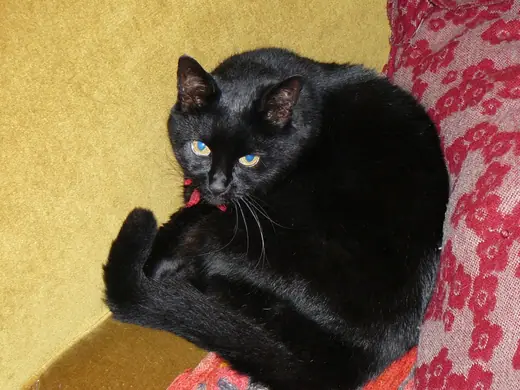
- Blackie · £7 million · 1988. Ben Rea, an antiques dealer in Dorney, Buckinghamshire, shared a mansion with fifteen cats. He left his family out of his will and split the bulk of a £7 million fortune among three cat charities, with an instruction to look after the last surviving cat, Blackie. Guinness recognises Blackie as the wealthiest cat on record and the entry has stood for nearly forty years. Note the structure: the charities got the money and the job. Nobody pretended the cat owned anything.
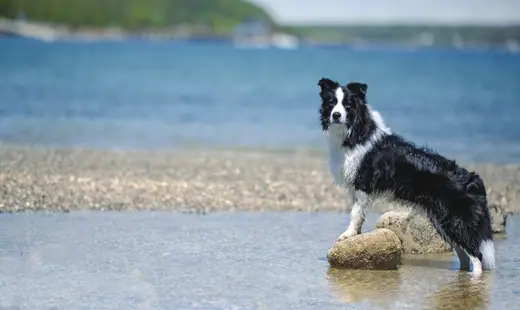
- Lulu · $5 million · 2020. Charles William “Bill” Dorris, a Nashville businessman, died on November 24, 2020. His will directed that $5 million be held in trust for the care of his eight-year-old border collie, and named his friend Martha Burton, then 88, as caretaker, to be reimbursed for reasonable monthly expenses. This is the textbook American version: a trust, a named caretaker, a reimbursement mechanism, and a court that will supervise it. Burton's comment on the size of the fund, when reporters asked whether she could spend it: she would like to try.
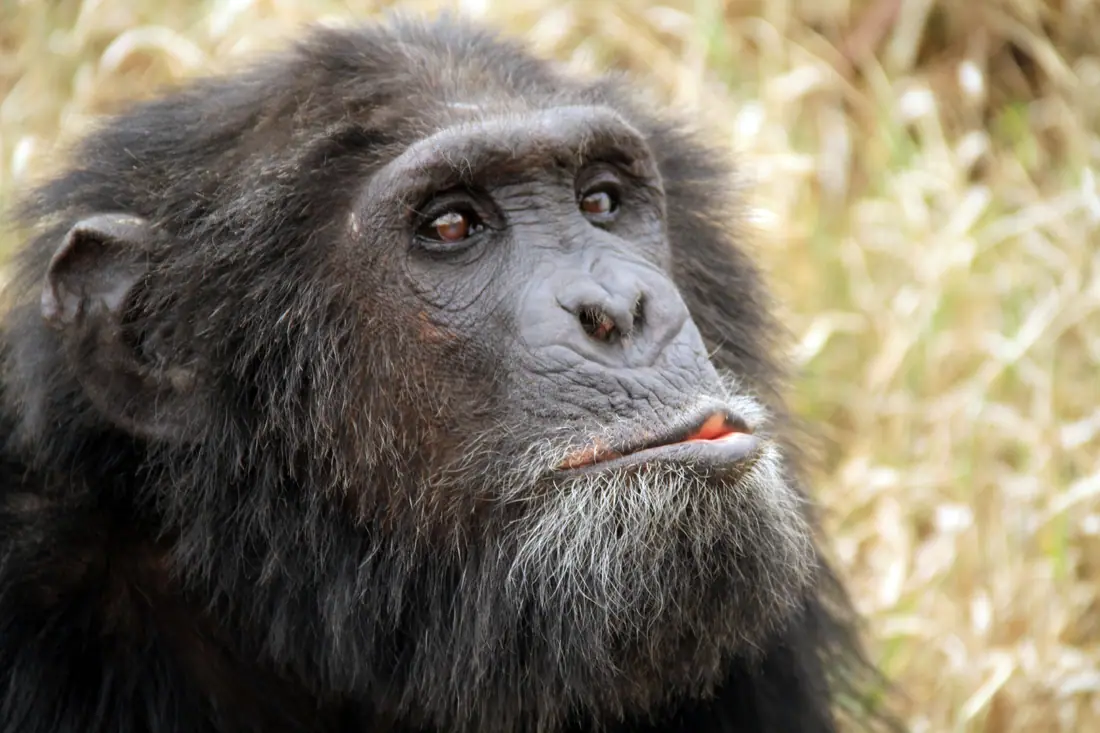
- Bubbles · Wauchula, Florida · since 2005. Michael Jackson's chimpanzee, born about 1983, has lived at the Center for Great Apes in Hardee County, Florida since 2005. The sanctuary says his care costs more than $30,000 a year and that the Michael Jackson Estate provides annual support toward it. He is not a beneficiary of Jackson's 2002 will, which left the estate to a family trust for his mother, his three children, and children's charities. Bubbles is provided for by an ongoing decision, not by a document naming him.
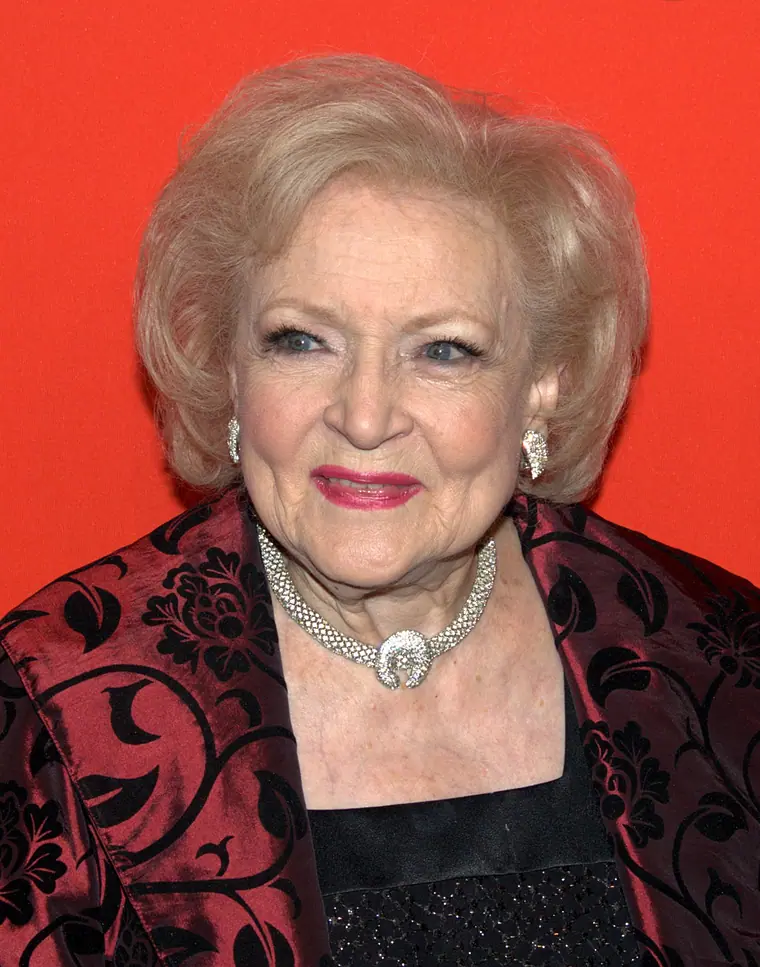
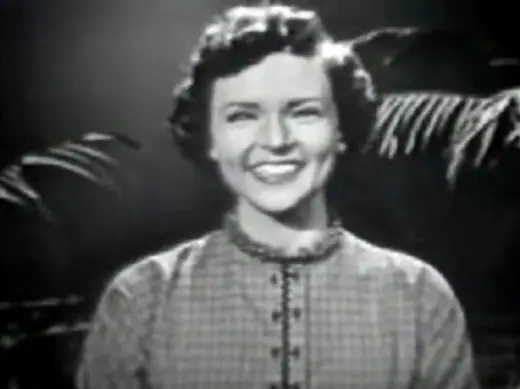
- Betty White's estate · $150,000 · 2022. White died on December 31, 2021, at 99, after more than fifty years with the Morris Animal Foundation and as a Greater Los Angeles Zoo Association trustee from 1974. In October 2022 the Foundation announced a $150,000 gift from her estate to the Betty White Wildlife Fund, which she had established there in 2010. The terms of her overall plan were never made public — which, for someone whose net worth was reported around $75 million, is itself the point.
One more figure belongs beside White's, though it was not hers. On what would have been her 100th birthday in January 2022, the public ran the “Betty White Challenge” and gave a reported $12.7 million to animal shelters through Facebook and Instagram in a single day. Her estate gave $150,000. Her example moved eighty times that. Estate plans are not the only instrument.
The tier where the number has no instrument
Oprah Winfrey has been reported since 2007, and again in fresh rounds of coverage since, as having arranged roughly $30 million in trust for her dogs — currently the springer spaniels Sunny and Lauren and the cocker spaniel Sadie. She has spoken publicly about wanting them cared for. What has never appeared is a document, which is entirely normal: living people's estate plans are private, and a revocable trust is not filed anywhere. The claim may be perfectly accurate. It is simply not verifiable, and it should be read that way.
Below that tier sits everything else. The $3 million Beverly Hills house said to have been arranged for Drew Barrymore's dog Flossie traces to tabloid coverage rather than to any filed instrument. And Gunther the German Shepherd, the “richest dog in the world,” was an invention — the German countess who supposedly left him $65 million has never been shown to exist, Guinness withdrew the category in 1999, and Netflix built a series on the unravelling in 2023.
The test is simple and it works on any story in this genre. Ask for the instrument. A real bequest leaves a will, a probate file with a number, a named personal representative or trustee, and a court in a county you can look up. A figure with no document, no jurisdiction, and no named fiduciary is a press release wearing a legal costume.
What an actual pet trust looks like, and what it costs
Nothing in this archive is more consistently misunderstood. People assume a pet trust is an exotic instrument for eccentrics with millions. It is a two-page rider, it is authorised by statute in all fifty states, and for most families it is the cheapest paragraph in the whole estate plan.
Here is the entire structure. There are six moving parts and every one of them is a line you fill in:
- The animals. All animals you own at death, not a list of names you will forget to update.
- The caretaker. The person who takes physical custody. Ask them first. This is the single most common failure — a plan naming someone who was never consulted.
- A successor caretaker. And ideally a second one. Caretakers move, get ill, and die.
- The trustee. Holds and disburses the money. Can be the same institution handling the rest of your plan.
- The enforcer. A named person, with no financial stake, entitled to go to court if the money stops reaching the animal. Leave this blank and a judge can appoint someone — but only if someone brings it up.
- The remainder beneficiary. Where the balance goes when the last animal dies. Leave it blank and it falls into your residuary estate, which is rarely what anyone intended.
The funding is equally undramatic. Take the real annual cost of your animals — food, routine veterinary care, grooming, boarding, insurance — multiply by their realistic remaining years, add an end-of-life reserve and a cushion, and pay the caretaker separately so their compensation does not come out of the animal's budget. For most households the total is a five-figure number.
Drafted as part of an existing estate plan, this typically costs a few hundred dollars. Blackie, Lulu, and Bubbles are all versions of the same document at different scales. So is the one for a fourteen-year-old cat in Venice with a thyroid condition, and that one is the one that actually gets used.
Timeline
- May 1988Ben Rea dies in Buckinghamshire. His £7 million is split among three cat charities, charged with looking after Blackie — still the Guinness record for wealthiest cat.
- c. 1983 / 2005Bubbles the chimpanzee is born, later acquired by Michael Jackson, and retires to the Center for Great Apes in Wauchula, Florida in 2005.
- 2002Michael Jackson signs the will that leaves his estate to a family trust for his mother, his three children, and children's charities. No animal is named.
- 2010Betty White establishes the Betty White Wildlife Fund at the Morris Animal Foundation, where she had been involved for decades.
- Nov 24, 2020Bill Dorris dies in Nashville. His will directs $5 million into trust for his border collie Lulu, with Martha Burton named as caretaker.
- Dec 31, 2021Betty White dies at 99.
- Jan 17, 2022The public “Betty White Challenge” raises a reported $12.7 million for animal shelters in a single day.
- Oct 2022The Morris Animal Foundation announces a $150,000 gift from White's estate to the Betty White Wildlife Fund.
- Feb 2023Netflix's “Gunther's Millions” presents the German countess behind the “richest dog in the world” as a fabrication.
What actually went wrong
- The famous numbers are the unreliable ones. The two largest figures in circulation — Gunther's and, in a different way, Oprah's — are the two with no instrument behind them. The verifiable cases are smaller and better built.
- Support by decision instead of by document. Bubbles is cared for because an estate chooses to fund a sanctuary each year. That has worked for two decades. It is still a decision that could be revisited, and it is not the same thing as a funded, enforceable obligation.
- Nobody asks the caretaker first. Naming a person who has not agreed produces exactly one outcome: the animal goes to a shelter while the trust sits fully funded.
- No remainder beneficiary. A pet trust with no answer for the leftover money ends in a probate proceeding about a dead cat's bank balance.
- Exotic animals treated like pets. Great apes, big cats, and reptiles are not a drafting problem — they are a licensing problem, and the paperwork has to exist before the animal needs somewhere to go.
Would it have gone that way in Florida?
Florida handles all five of these — including the chimpanzee. But for a long-lived or exotic animal, the document is the second step, not the first.
Fla. Stat. §736.0408 is deliberately species-blind. It authorises a trust for the care of an animal alive during the settlor's lifetime — dog, cat, horse, macaw, tortoise, chimpanzee. It is enforceable by a person named in the trust or appointed by the court, and it ends when the last covered animal dies, with the remainder going where you said. The Lulu structure, the Blackie structure, and a two-cat household all sit comfortably inside it.
There is a Florida-specific gap the statute does not close, and Bubbles is the illustration. A trust can pay for an animal. It cannot house one. Florida sorts captive wildlife into three classes by risk, with permits issued by the Fish and Wildlife Conservation Commission, and Class I wildlife may not be kept for personal use at all. Public display or sale of captive wildlife requires a permit under §379.3761. That is why a chimpanzee in Florida lives at a licensed sanctuary in Hardee County rather than at a beneficiary's house, and why the useful step for an exotic animal happens while you are alive: place the animal with an accredited sanctuary, sign a written care agreement, and fund it. The trust then pays an institution that already has the permits, the enclosures, and the veterinarians. Reverse that order and your executor is holding a Class I animal with nowhere lawful to put it.
Now the gap almost nobody plans for, and it applies to an ordinary labrador. Between the moment you die and the moment your trust is funded, your animal is estate property. Fla. Stat. §733.607 provides that the personal representative shall take possession or control of the decedent's property and take the steps reasonably necessary for its management, protection, and preservation until distribution. A living animal is squarely inside that duty, and it is the least convenient asset a personal representative will ever be handed. Letters of administration can take weeks. The dog eats today.
So the Florida instruction has two halves, and the first one is not a trust at all. Arrange immediate, informal custody: a named person with a key, written authority to take the animals on day one, your veterinarian's name, the medication list, and enough cash reaching them within days — a small payable-on-death account or a modest life insurance policy naming the caretaker works, and neither waits for probate. Then the trust, funded from the rest of your plan, takes over the long-term money.
The honest caveat: §736.0408(3) still lets a Florida court reduce an amount that substantially exceeds the animal's intended use, with the excess passing to your remainder beneficiaries. Lulu's $5 million would draw a look here. That is not a reason to underfund — it is a reason to build the number from an actual budget so it survives one.
The practical instruction: ask your caretaker before you name them, name a successor, name an enforcer who has no stake, fund a realistic number, name a remainder beneficiary, and make sure somebody can lawfully collect your animal within twenty-four hours of your death without a court order. That last item costs nothing and matters more than the trust does.
What people ask us about this.
Further reading
Third-party sites. Not ours, not endorsed, not kept current by us — just the places worth going next.
Sources
- How Blackie became a millionaire and the world's wealthiest cat — Guinness World Records, Aug 2023
- An 8-year-old border collie named Lulu is inheriting a $5 million trust — CNN, Feb 2021
- Bubbles — Center for Great Apes — Center for Great Apes, Wauchula FL
- Where is Michael Jackson's chimp Bubbles? The Florida retirement of a Hollywood legend — FOX 13 Tampa Bay
- Who gets Jackson's money? — ABC News, Jul 2009
- Morris Animal Foundation receives gift from Betty White estate — Morris Animal Foundation, Oct 2022
- “Betty White Challenge” raises $12.7 million for animal shelters — Variety, Jan 2022
- Oprah Winfrey's dogs are set to inherit $30 million from a trust fund — PureWow / Yahoo, 2023
- Fla. Stat. §733.607 — Possession of estate — The Florida Senate
If this is your situation
Free 30-minute consult. Plain English. No pressure.
Nearly every case in this archive turned on something ordinary — an unwitnessed page, a stale beneficiary line, a document nobody could find. Those are cheap to fix while you're alive and expensive to fix afterward.