Rebecca Fierle
She held the largest professional guardianship practice in Florida — more than 400 wards across 19 counties. One ward's death in a Tampa hospital in 2019 unwound all of it, and produced a statewide investigation, a criminal case, and a rewrite of Chapter 744.
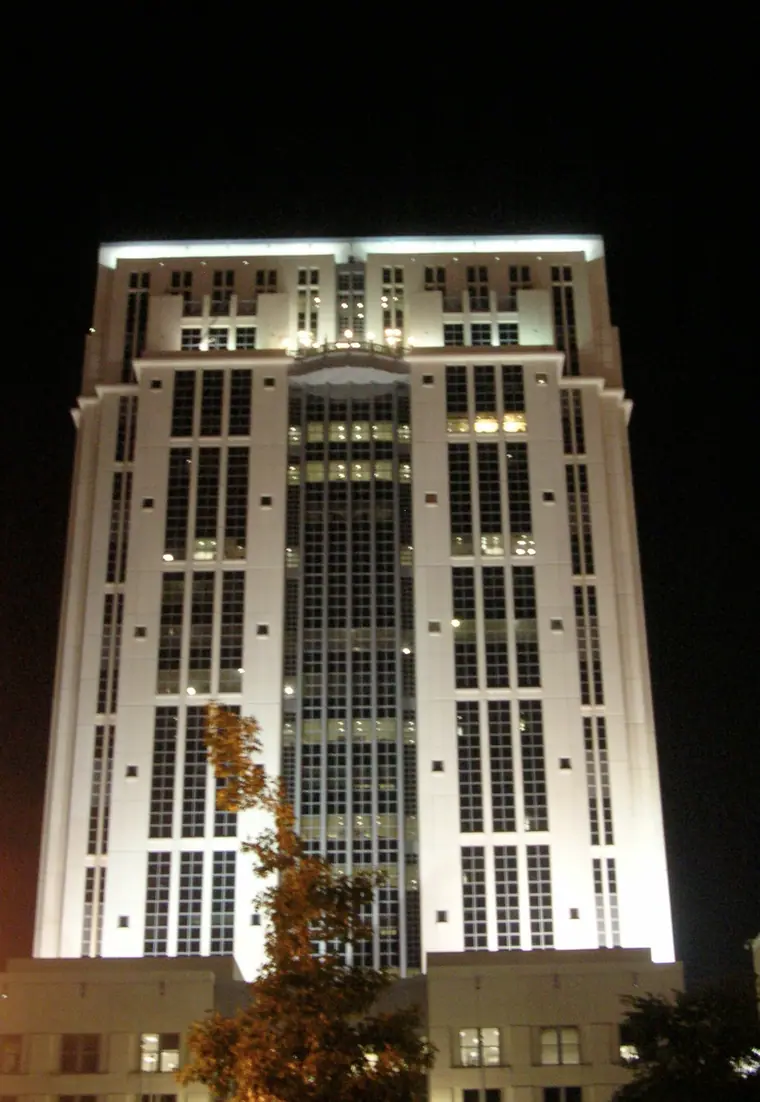
Every case in this archive so far has been about money after a death. This one is about power before it — and it is the most important Florida story on this site, because guardianship is the one proceeding that can take your decisions away from you while you are still alive to notice.
Rebecca Fierle-Santoian was a professional guardian based in Orlando. By 2019 she held the largest guardianship practice in the state: more than 400 wards across 19 Florida counties. A professional guardian is appointed by a circuit judge under Chapter 744 to make decisions for a person the court has found incapacitated — where they live, what medical care they receive, what happens to their money.
That is an enormous amount of authority, and Florida hands it out one order at a time, in a busy probate division, usually with no jury and often with no family member in the room.
Steven Stryker
Steven Stryker was a Navy veteran, 75, under Fierle's guardianship. He wanted to live. That is not a characterization — it is what the state's investigators found and what the case turned on.
According to the Florida Department of Law Enforcement's arrest release, Fierle imposed a do-not-resuscitate order against his wishes, and directed that his feeding tube be capped despite the advice of medical professionals and his own requests to continue receiving nutrition. He died on May 13, 2019, at St. Joseph's Hospital in Tampa. Prosecutors alleged that when he choked, hospital staff could not intervene because of the DNR.
The story broke through the Orlando Sentinel, whose reporting through 2019 became the reason the rest of the state looked. What the reporting and subsequent investigations found was not one bad order but a pattern:
- DNR orders across the caseload. A judge later found Fierle had placed do-not-resuscitate orders on numerous wards without the consent of the wards or their families.
- Undisclosed payments. A state report concluded she had improperly billed AdventHealth, which had paid her close to $4 million over roughly a decade — money flowing from a hospital to a guardian who was making medical decisions about that hospital's patients.
- Fees without court approval. An audit found she had collected substantial fees that had never been approved by the courts that appointed her.
- Scale that made oversight impossible. More than 400 wards across 19 counties means 19 sets of judges, 19 dockets, and no single court seeing the whole picture.
By late 2019 she had been removed from her cases across the state and had surrendered her professional registration.
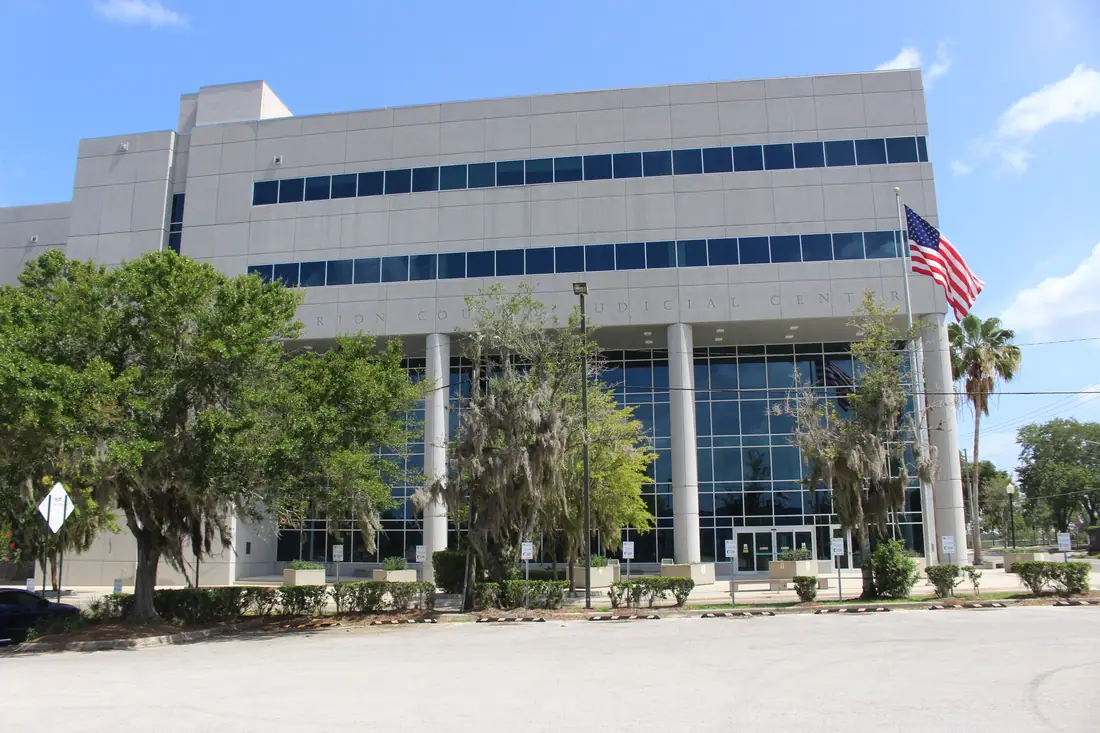
Arrest, mistrial, plea, probation
On February 10, 2020, Marion County deputies arrested Fierle on an FDLE warrant. The charges were aggravated abuse of an elderly person and neglect of an elderly person, both felonies. Florida's Office of Statewide Prosecution took the case, with FDLE, the Marion and Orange County sheriff's offices, and the Attorney General's office involved in the investigation.
The trial was held in Hillsborough County, in Tampa, where Stryker had died. The state's theory was that a stranger had made irreversible decisions about a man she barely knew: prosecutor Cass Castillo argued at sentencing that Fierle “was in absolutely no position to make any judgments about what Mr. Stryker's quality of life was.” Her defense attorney, Warren Lindsey, argued that she had treated Stryker with dignity and professionalism and had been handling genuinely complicated cases.
On September 19, 2022, the jury reported it could not reach a unanimous verdict. Judge Samantha Ward declared a mistrial. The state announced it would retry her, and a second trial was set.
On February 23, 2023, before the retrial, Fierle entered a plea of no contest to a single felony count of neglect of an elderly person. The aggravated abuse charge was dismissed.
On July 21, 2023, Judge Ward sentenced her to four years of probation, 100 hours of community service, and a permanent bar from working in guardianship, nursing homes, or related entities, with no path back to a guardianship certification. Statewide Prosecutor Nick Cox said afterward that the office was disappointed she did not receive prison but glad she would be permanently barred.
SB 994, and what the Legislature actually changed
Florida's response arrived in the 2020 session. SB 994 passed the Senate 39–0 and the House 117–0, was signed on June 18, 2020, and became Chapter 2020-35, Laws of Florida, effective July 1, 2020.
It did three things that matter to anyone with a parent in Florida.
First, it restricts a professional guardian from petitioning for his or her own appointment, except in narrow circumstances. The old practice — where the person who would be paid to serve was the person asking the court to appoint them — is exactly the structural conflict the Fierle investigations exposed.
Second, it expanded the factors a court must weigh when choosing a guardian, and revised what a petition has to contain.
Third, and most directly responsive, it restricted a guardian's authority to take certain actions on behalf of a ward — the category that includes the end-of-life decisions at the center of the criminal case.
It is real reform. It is also worth being honest about its limits: it changed who may ask and what a court must consider. It did not build a statewide database of guardians and wards, and it did not solve the underlying arithmetic that lets one person hold hundreds of files across nineteen counties.
Guardianship is what happens when you did not plan
Here is the part that belongs on a probate firm's website, stated plainly.
A guardianship is a default, not a service. It is what a Florida court does when someone loses capacity and there is no document saying who should decide instead. If you have signed a durable power of attorney and a health care surrogate designation, a court generally does not need to appoint anyone, because you already did.
That is the whole mechanism. Every ward in Fierle's caseload was a person for whom a judge had to find someone, because nobody had been named in advance — or because the person named was unavailable, unwilling, or contested.
Two documents, signed while you still have capacity, cost a fraction of one month of a professional guardian's fees and remove the question from a courtroom entirely. That is not a sales point. It is the entire difference between choosing and being assigned.
Timeline
- By 2019Fierle holds the largest professional guardianship practice in Florida — more than 400 wards across 19 counties.
- May 13, 2019Steven Stryker, 75, dies at St. Joseph's Hospital in Tampa. Investigators later find a DNR was imposed against his wishes and his feeding tube capped.
- Jul–Sep 2019Orlando Sentinel reporting and state investigations follow. A report concludes she improperly billed AdventHealth, which had paid her close to $4 million over roughly a decade.
- Late 2019Fierle is removed from cases across Florida and surrenders her professional guardian registration. A judge finds she placed DNR orders on wards without consent.
- Feb 10, 2020Arrested on an FDLE warrant by Marion County deputies. Charged with aggravated abuse of an elderly person and neglect of an elderly person, both felonies. The Office of Statewide Prosecution takes the case.
- Jun 18, 2020SB 994 is signed — Ch. 2020-35, Laws of Florida — restricting professional guardians from petitioning for their own appointment and limiting certain guardian actions. Effective July 1, 2020.
- Sep 19, 2022After trial in Hillsborough County, the jury deadlocks. Judge Samantha Ward declares a mistrial. The state announces it will retry the case.
- Feb 23, 2023Fierle enters a plea of no contest to one felony count of neglect of an elderly person. The aggravated abuse charge is dismissed.
- Jul 21, 2023Sentenced to four years of probation, 100 hours of community service, and a permanent bar from guardianship and related work.
What actually went wrong
- No advance directives. Guardianship is the remedy a court reaches for when nobody has been named. A durable power of attorney and a health care surrogate designation, signed while capacity is intact, usually make the proceeding unnecessary.
- A guardian who could ask for the job. Until July 2020, a professional guardian could petition for her own appointment in Florida. SB 994 restricted that, because the fee earner and the applicant should not be the same person.
- Money moving between the hospital and the decision-maker. A state report found close to $4 million paid by AdventHealth to a guardian making medical decisions about that hospital's patients. Whatever the intent, the structure is a conflict on its face.
- A caseload no court could see. Nineteen counties, nineteen dockets, no single judge with the whole file. Scale defeated oversight before any individual order was ever questioned.
- No family in the room. The DNR findings turned on decisions made without the consent of wards or their families. A named surrogate with a copy of the document is a person who shows up.
Would it have gone that way in Florida?
This IS Florida — and the fix is two documents, signed before anyone needs them.
Florida guardianship lives in Chapter 744. A circuit judge determines incapacity, appoints a guardian, and defines what rights are removed. The guardian may be a family member, a public guardian, or a professional guardian who does this for a living and is paid from the ward's assets. It is a real and often necessary institution — many wards have no family and no plan, and the alternative is nobody.
But Florida law is explicit that guardianship is a last resort. Where a less restrictive alternative exists, the court is directed to use it. That phrase is doing enormous work, and here is what it means in practice: a valid durable power of attorney and a health care surrogate designation are the less restrictive alternatives. If you have executed them, an interested party generally has no reason to petition, and a court has an obvious answer to the question of who decides.
Fla. Stat. §709.2104 and the rest of Part II of Chapter 709 govern the durable power of attorney — it survives your incapacity, which is the entire point of the word durable, and in Florida it must be signed in the presence of two witnesses and a notary. Chapter 765 governs health care advance directives, the surrogate designation, and the living will. Under §765.202, a surrogate designation must be signed in the presence of two adult witnesses, and the surrogate may act when a physician determines you cannot make your own decisions — with §765.205 setting out the surrogate's duties.
The 2020 reform, Ch. 2020-35 (SB 994), tightened the front end. A professional guardian generally may no longer petition for his or her own appointment, courts must weigh an expanded set of factors in selecting a guardian, and certain guardian actions on behalf of a ward are restricted. It passed both chambers unanimously.
The honest caveat: none of this makes guardianship disappear. If a person loses capacity without documents, or if the family cannot agree, or if the person named is the problem, a petition gets filed and a judge decides. Advance directives reduce the odds dramatically. They do not eliminate them.
The practical instruction, and it is the shortest one in this archive: sign a durable power of attorney and a health care surrogate designation. Name a first choice and a successor for each. Give a copy to the people you named, to your primary physician, and to whoever holds your other documents. Review them every few years, and re-sign after a move, a divorce, or a death in the family. That is the entire defense, and it takes an afternoon.
What people ask us about this.
Further reading
Third-party sites. Not ours, not endorsed, not kept current by us — just the places worth going next.
Sources
- Guardian Rebecca Fierle-Santoian arrested and charged — Florida Department of Law Enforcement, Feb 10 2020
- Mistrial declared in trial of Florida guardian accused of client's abuse, neglect — News 6 / ClickOrlando, Sep 19 2022
- Judge accepts plea deal for Florida guardian accused of neglect — News 6 / ClickOrlando, Feb 24 2023
- Disgraced former professional guardian sentenced to probation — Bay News 9, Jul 21 2023
- Former Orlando guardian Rebecca Fierle sentenced to probation in case that sparked scandal — Orlando Sentinel, Jul 21 2023
- I-Team: Mistrial declared for woman who had the largest guardianship practice in Florida — CBS12 News
- Florida guardian Rebecca Fierle improperly billed AdventHealth nearly $4 million, report says — Orlando Sentinel, Sep 12 2019
- CS/CS/SB 994 (2020) — Guardianship. Ch. 2020-35, Laws of Florida — The Florida Senate
- Fla. Stat. Ch. 744 — Guardianship — The Florida Senate
If this is your situation
Free 30-minute consult. Plain English. No pressure.
Nearly every case in this archive turned on something ordinary — an unwitnessed page, a stale beneficiary line, a document nobody could find. Those are cheap to fix while you're alive and expensive to fix afterward.